Beyond the backlash: Why sustainability remains a strategic asset

Article | 2026-03-13

5 minute read
Globally, sustainability policies are regressing, and in the United States, there are even movements to regulate corporate ESG/DEI initiatives. In contrast, Japan continues to promote the SDGs. "Net positive" initiatives, which bring "positive impact" to society and the environment through corporate activities, also bring business benefits to the companies themselves. Now is the time for Japanese companies to pursue net positive and enhance their international business competitiveness.
Global Retreat in Sustainability Policies
Since the inauguration of the second Trump administration in the United States in January 2025, a global retreat in climate change countermeasures and broader sustainability policies has become evident. The anti-ESG and anti-DEI movements have gathered momentum in the U.S. Many companies have dialed down or even discontinued their sustainability and DEI promotion programs as a result. In response to the U.S. trend, the EU has also shifted its policy towards easing sustainability disclosure and ESG-related regulations. According to "The Sustainable Development Goals Report 2025" run by the United Nations, only 18% of the 139 targets are "on track” of achieving the 2030 Agenda” and others are struggling with setbacks noted in climate and poverty issues.
Japan Continues to Promote SDGs
Meanwhile, while climate change countermeasures are regressing globally, the Japanese government, in February 2025, announced the "7th Strategic Energy Plan". This plan remarkably integrates energy security with the aggressive promotion of decarbonization and carbon neutrality, newly setting an ambitious target of a 73% reduction in greenhouse gas emissions by FY2040 (compared to FY2013). Regarding its wider sustainability policies, Japan declared at the HLPF (UN High-Level Political Forum on Sustainable Development) in July 2025 that it would continue to contribute to the achievement of the SDGs. Furthermore, dedicated efforts by the "SDGs Promotion Headquarters," led by the Prime Minister himself, are actively underway.
Furthermore, the Japan Business Federation (Keidanren) also holds the basic view that, "Regardless of the global SDGs backlash, companies should view sustainability as an opportunity for growth, strengthen competitiveness through contributions to achieving the SDGs, and link this to Japan's economic growth and the improvement of national well-being."
Why Companies Should Still Strive for Net Positive
Corporate efforts towards achieving SDGs, implementing climate change countermeasures, and promoting ESG/DEI initiatives do more than merely reduce the "negative impacts of corporate activities but also generate "positive impacts" on society and the environment. This concept of actively creating "positive value" for society and the environment is defined as "Net Positive."
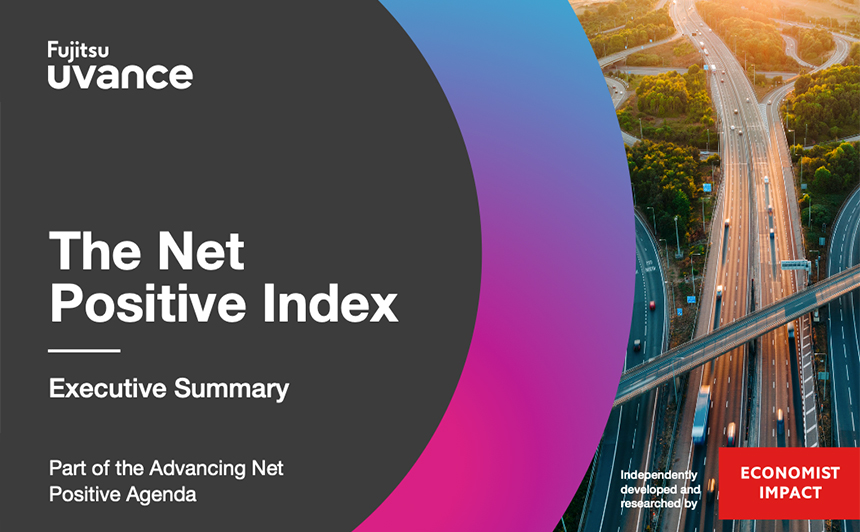
Economist Impact recently conducted an independent survey of 1,800 CxOs and decision-makers across five industries (finance, manufacturing, transportation, retail, and energy/social infrastructure) operating in 17 countries, examining how companies are approaching "Net Positive." The survey results and insights are presented in the "Net Positive Index Survey Report: Executive Summary."
The survey indicates that pioneering Net Positive companies, regardless of industry, are more likely to achieve their revenue and market share goals and tend to gain investor confidence. Pursuing Net Positive benefits both business and society/environment. This is not an unknown fact, and survey response trends show that many corporate executives and decision-makers understand the various business benefits. Specifically, we anticipate business benefits such as cost savings through efficiency (67%), decreased climate risk and increase resilience (67%), and greater regulatory compliance and risk management (57%).

The current global retreat in sustainability policies may present headwinds for companies pursuing Net Positive in some regions, but it is not a reason to abandon these efforts. Companies have a social responsibility to pursue Net Positive, which also leads to their own business growth. Especially for Japanese companies, which are not currently facing such headwinds, now is the time to pursue Net Positive and enhance business competitiveness.
Michiyo Hano
Manager,
Global Marketing Unit, Marketing Strategy division, Corporate Insights team, Fujitsu Limited
Joined Fujitsu in October 2023
after working as a reporter for Nikkei BP, ZDNet and ASCII, editor in chief of MSN Japan and social media marketing lead for Microsoft Japan.

Related Information
您的企業準備好引領這場轉型了嗎?