Yamato Group's SST and Fujitsu: Collaborating for Resilient and Net Positive Logistics
Article | 2025-11-10

10 minute read
In the dynamic landscape of modern logistics, two pressing challenges demand immediate attention: the "2024 logistics problem" arising from driver long-hour regulations and labor shortages, and the imperative to mitigate climate change. While many grapple with these issues, a pioneering spirit is emerging from Japan's logistics sector. Sustainable Shared Transport Co., Ltd. (SST), a subsidiary of the logistics Yamato Group, is leading the charge by implementing an innovative shared delivery system. This system consolidates goods from multiple shippers into single trucks, aiming to establish a truly sustainable logistics ecosystem.
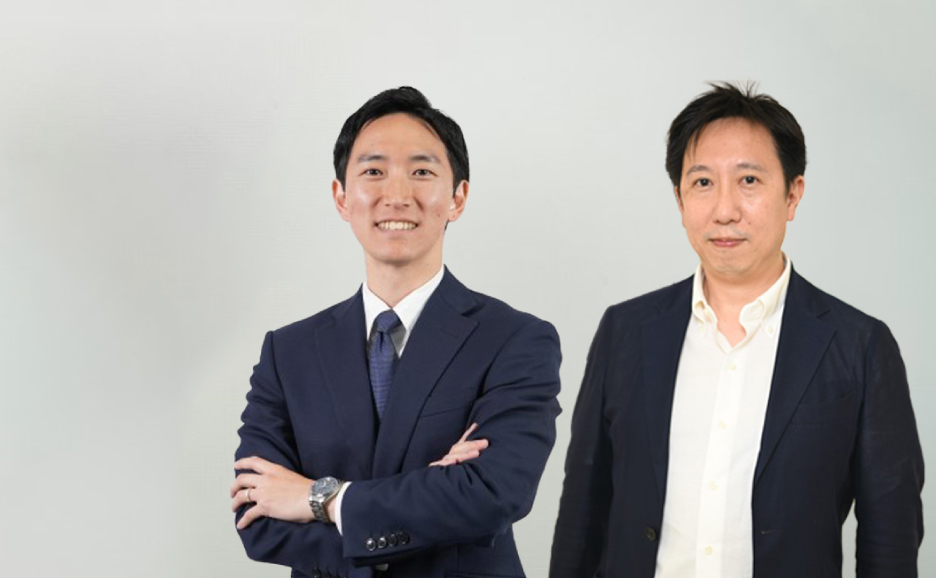
To gain deeper understanding into this transformative initiative, we brought together Mr. Harunobu Nagase, General Manager of Corporate Planning at SST, and Tsuyoshi Nishimura, Account General Manager (AGM) at Fujitsu. Their discussion sheds light on the strategic imperatives for achieving Net Positive logistics (*1) — a paradigm where business growth directly drives solutions to critical societal challenges.
The Vision: SST's Net Positive Logistics Transformation
Nishimura (Fujitsu):
Today, the Net Positive mindset – actively generating positive impacts on society and the environment, rather than merely reducing environmental burdens – is becoming crucial for business success.
Mr. Harunobu Nagase is driving this Net Positive logistics transformation at SST, which offers an open platform service allowing multiple companies to share a single truck for cargo transport. Mr. Nagase, could you tell us what you find particularly innovative about SST's initiatives?
Nagase (SST):
What sets this initiative apart is the collaborative spirit. Logistics operators are now partnering directly with shippers to tackle these systemic challenges.
SST, established by Yamato Holdings in 2024, was conceived to address two monumental societal issues: the looming "logistics crunch" – often referred to as Japan's "2024 logistics problem" – and the global climate crisis.
Historically, inter-company transportation in Japan has been inefficient, with each company often deploying its own dedicated transport system. This "private jet" model means that while a vehicle might be reserved, it's rarely fully utilized, leading to wasted capacity and increased emissions.
SST radically redefines this. We operate on a 'scheduled airline' model, transporting cargo on pre-defined routes, much like booking a seat on a commercial flight. This approach ensures high vehicle utilization and offers both shippers and logistics providers a stable, predictable, and exceptionally efficient operation.
Nishimura (Fujitsu):
Did you face significant hurdles in pioneering this new model?
Nagase (SST):
Absolutely. For shippers, adopting a reservation-based, planned logistics system requires a fundamental shift in traditional operational mindsets. We recognize this is a journey, and we're still midway through fostering widespread adoption. Beyond behavioral changes, practical issues like standardizing pallets (*2) across the industry also present ongoing challenges, and we are committed to addressing each of these systematically, one by one.