
Helsinki Region Transport
Keeping Helsinki moving every day
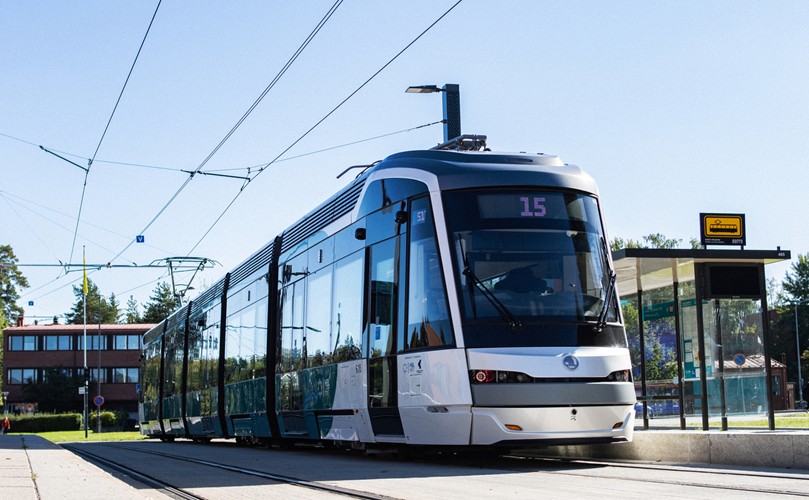
Facing complex multi-vendor operations in Helsinki’s public transport, HSL, needed consolidated service integration. They chose Fujitsu to build a centralized service desk and harmonized processes, ensuring seamless support for over a million daily journeys.
Challenges
Managing public transport across 9 municipalities with numerous operators and systems led to fragmented IT support. HSL needed a centralized solution to harmonize processes and boost reliability.
Solutions
Fujitsu delivered a centralized service integration solution for HSL, providing a single point of contact and harmonized processes to improve visibility and control across multiple vendors.
Outcomes
- Greater visibility across the service ecosystem
- Greater visibility across the service ecosystem
- More reliable passenger services
"Fujitsu’s delivery has been excellent. The collaboration works smoothly, issues are resolved quickly, and the partnership allows us to focus on improving services rather than managing operational complexity."
Tuomas Savikangas, Technology Director, HSL


About the customer
Helsinki Region Transport (Helsingin seudun liikenne, HSL) operates public transport across nine municipalities in the Helsinki metropolitan area. With around 400 employees, HSL serves nearly 1.5 million people daily with over a million journeys. Its mission is to ensure attractive, efficient, reliable public transport, strengthening the region’s vitality and focusing on seamless passenger experience.
To address its fragmented support landscape, HSL launched an initiative to create a more centralized and transparent service management model. The goal was to establish a single governance framework for managing incidents, requests and changes across a complex network of operators, application providers and other suppliers. Building on a trusted relationship that had evolved over more than a decade, HSL selected Fujitsu as its service integration partner. Fujitsu’s expertise in service integration, combined with its
consultative approach and experience in complex public-sector environments, provided a solid basis for the transformation.
Together, HSL and Fujitsu designed a unified operating model centered around a centralized service desk serving as a single point of contact for employees, transport operators and service providers. Standardized service management processes, governance structures and clear escalation paths were introduced to improve accountability, consistency and visibility across the entire service ecosystem. Tuomas Savikangas explains: “We wanted one centralized solution and one clear governance model for managing incidents, requests and changes across our complex multi-vendor environment.” Fujitsu now provides first- and second-level support, coordinating incidents and service requests across a broad portfolio of applications and suppliers.
The centralized model plays a critical role in supporting systems used every day across Helsinki’s public transport network. For example, if a ticket validator or payment device in a bus, tram or metro station stops working, operators can quickly report the issue through the service desk. Fujitsu then coordinates the resolution process across the relevant suppliers, helping to minimize disruption and maintain a smooth passenger experience.
Beyond the technical aspects, HSL needed to align processes, responsibilities and ways of working across multiple stakeholders while operating within the governance and procurement requirements of a public-sector organization. Close collaboration between HSL, Fujitsu and the wider supplier ecosystem proved essential in successfully driving the change forward.
A stronger foundation for future mobility
Today, HSL benefits from a unified service ecosystem that provides employees, transport operators and service providers with a single, reliable point of contact for IT support. Through the centralized service desk, incidents, service requests and changes can be managed more consistently across a diverse landscape of applications, suppliers and operational partners.
The service integration model plays a vital role in supporting the digital services that millions of passengers rely on every day. Whether managing ticketing systems, passenger information services or operational applications used by transport operators, the model provides greater visibility, faster coordination and clearer ownership across the service chain. In situations requiring rapid response, such as service disruptions or changes affecting routes and schedules, HSL can coordinate information flows more effectively.
As HSL continues its digital transformation journey, reliable service management has become a strategic enabler for future development. By reducing operational complexity and strengthening governance across multiple suppliers, the organization can focus on enhancing services and delivering continuous improvements for citizens across the Helsinki region. “The service desk has been the most valuable element of the transformation. Our users know where to go for support, and we now have the visibility and control that were missing before.”
Looking ahead, HSL plans to further develop its passenger information systems and operating models. Fujitsu is expected to continue playing an important role in supporting these initiatives through its service integration expertise and long-standing partnership with HSL. As Savikangas summarizes: “Fujitsu’s delivery has been excellent. The collaboration works smoothly, issues are resolved quickly, and the partnership allows us to focus on improving services rather than managing operational complexity.” With a stronger service foundation in place, HSL is well positioned to continue improving public transport services for passengers across the Helsinki region.
Related Customer stories
Mazda Motor Europe partnered with Fujitsu to deliver a strategic cloud transformation, achieving cost transparency, modernized applications, and accelerated innovation.

The City of Lahti is systematically adopting AI through piloting and testing Microsoft 365 Copilot.

A global POS software provider transformed its cyber security approach by moving from reactive defense to proactive prevention. GK Software reduced its threat response window to near zero, improved visibility of critical assets, and strengthened compliance and governance.

Daikin Europe, a leader in advanced climate and cooling solutions, partnered with Fujitsu to modernize its complex IT landscape across 130+ sites. By shifting to a unified, cloud-based foundation with automation and AI-driven monitoring, Daikin achieved seamless operations, improved resilience, and significant cost savings.
